Key Chemical Differences Between Denatured Ethyl Alcohol and ENA
Structural and legal differences between denatured ethyl alcohol and ENA. Learn which formulation should be preferred based on specific application fields.
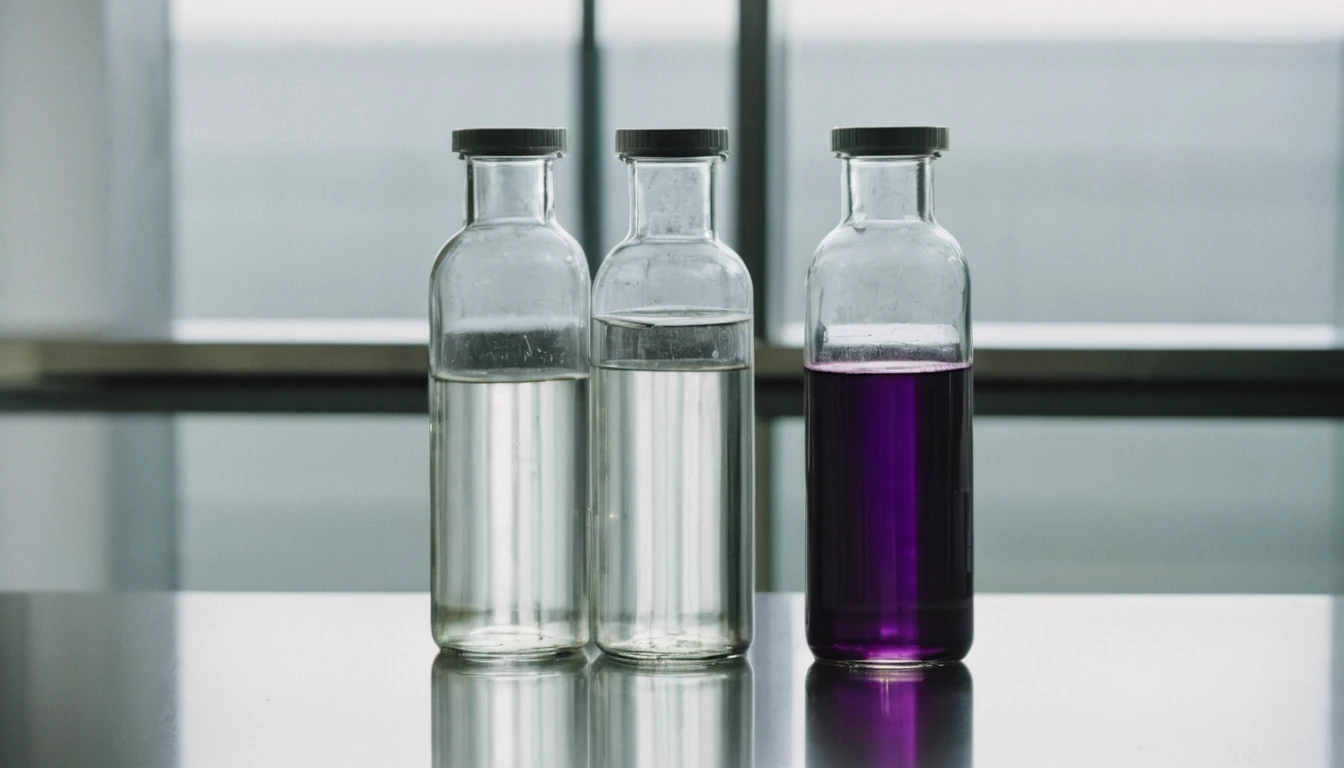
When a specification sheet arrives with one line for denatured ethyl alcohol and another for ENA 96%, most purchasing decisions come down to a single question: which formulation will work in my process without creating a chemical or a regulatory conflict later? The two streams share the same ethanol backbone, but they are not interchangeable, because one carries an added denaturant and the other does not. The consequences appear in reaction chemistry, analytical results, storage practice and documentation, and they surface quickly if the wrong grade is released to production. This article sets out the chemical differences between denatured ethyl alcohol and ENA, explains the mechanisms behind them, and closes with a checklist that procurement, production and quality teams can apply directly to an incoming offer.
What separates denatured ethyl alcohol from ENA at the molecular level?
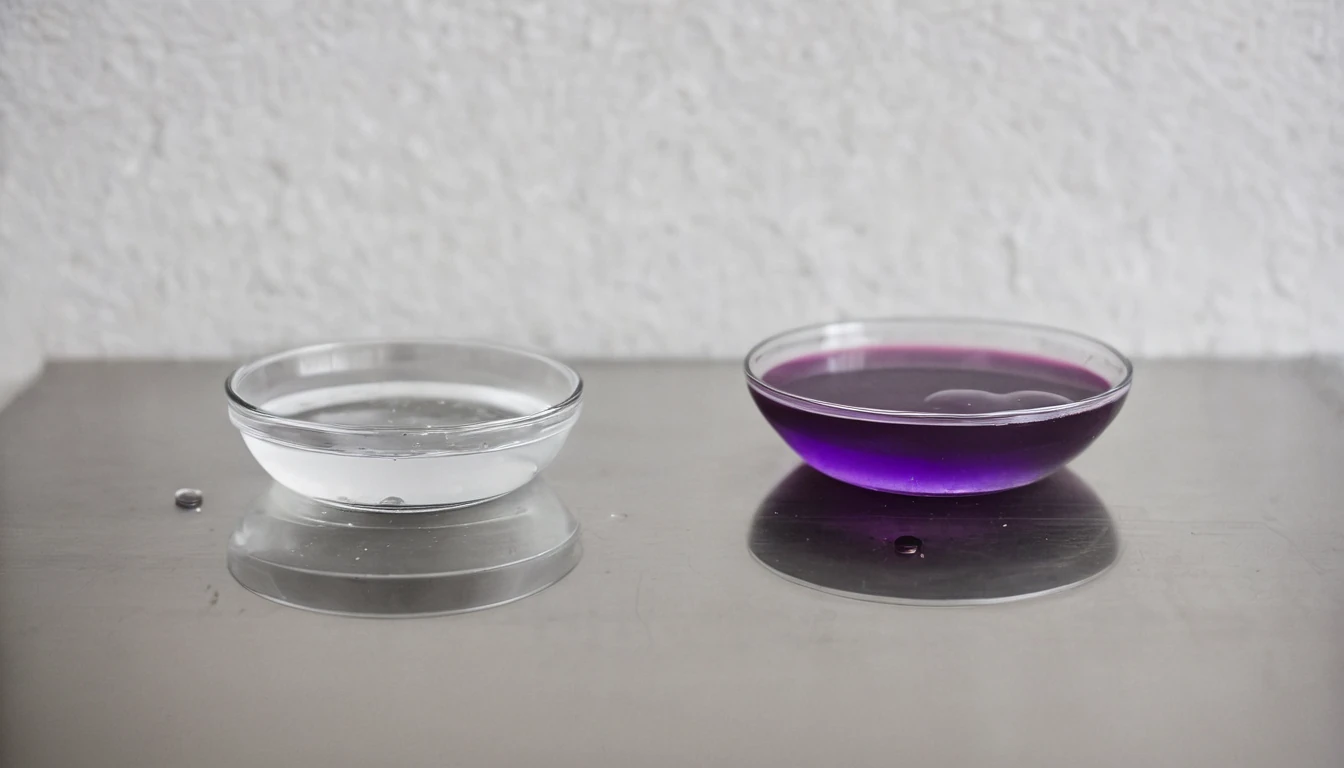
ENA 96% is a neutral ethyl alcohol grade in which the ethanol content reaches up to 96.2% in specification, with water making up the balance and no deliberately added denaturant. Denatured ethyl alcohol contains the same ethanol and water, but a defined denaturant has been added on purpose, typically at 1 to 5% v/v depending on the formulation and the jurisdiction in which it is sold. From a chemical standpoint, the difference is a third component in the mixture. That component is usually a co-solvent such as methanol or isopropanol, or a bittering agent such as denatonium benzoate, and each class behaves differently.
Why is a denaturant added in the first place?
The purpose of denaturation is to make the alcohol unsuitable for beverage use by changing its organoleptic properties, while keeping it economically usable as an industrial solvent. Regulatory frameworks for excise duty require that the alcohol be recognisably and irreversibly altered. A bittering agent is detectable at very low concentrations, often in the parts per billion range, which means a denatured stream can be analytically almost identical to ENA by ethanol content alone and yet be completely different in sensory terms. A co-solvent denaturant works differently: it shifts the composition of the liquid mixture, and therefore shifts density, refractive index, boiling behaviour and chromatographic response.
What does the water fraction do to the ceiling of the grade?
Ethanol and water form a minimum-boiling azeotrope at approximately 95.6% w/w ethanol at atmospheric pressure, which is why conventional distillation stops close to that composition. Our ENA 96% is specified up to 96.2%, and grades beyond that point require dehydration technology that sits outside our product scope. This is not a limitation of quality effort but a physical property of the ethanol-water system, and it explains why offers quoting higher figures should be read together with the analytical method and the specification behind them.
Which chemical differences actually change your process outcome?
The comparison below uses typical ranges and the standards commonly cited in specifications. It is written to be inserted into a technical evaluation, not to replace the supplier's certificate of analysis.
| Parameter | Denatured ethyl alcohol (typical) | ENA 96% (typical per specification) | Reference or method |
|---|---|---|---|
| Ethanol content | Minimum 96% v/v before denaturant addition, according to specification | Up to 96.2% v/v in our specification | Gas chromatography; Ph. Eur. Ethanol (96 per cent) monograph as a reference |
| Denaturant | 1 to 5% v/v of a defined denaturant, formulation dependent | None added | National excise and denaturation rules |
| Water | Balance to 100% | Balance to 100% | Karl Fischer titration |
| Volatile impurities | Methanol and higher alcohols limited by the applicable monograph or contract | Methanol and higher alcohols limited by the applicable food or pharmacopoeial monograph | Gas chromatography, direct injection or headspace |
| Odour and taste | Intentionally altered; bittering agents detectable at low ppb | Neutral, assessed organoleptically | Sensory evaluation against customer specification |
| Acidity | Expressed as acetic acid, typically a few mg/kg up to tens of mg/kg | Same order of magnitude, per specification | Titration |
| Typical application | Industrial solvent, cleaning, technical extraction | Food, pharmaceutical, cosmetic and flavour applications | Application and regulation dependent |
Why does the denaturant change physical and analytical behaviour?
When a co-solvent is present, the mixture no longer behaves as a two-component ethanol-water system. Density and refractive index shift slightly, which matters if your incoming inspection relies on an alcoholmeter or a density meter calibrated for neutral ethanol. Gas chromatographic runs will show an extra peak, and depending on the column and temperature programme, that peak can elute close to ethanol or to the internal standard, which is why methods should be reviewed before the first delivery rather than after. Bittering agents behave differently again: they are present at concentrations that barely move bulk physical properties, but they are strongly retained on some surfaces, so a bitter note can persist in a tank or a filter long after the denatured batch has been discharged.
What are the legal and documentary differences between the two streams?
Denatured alcohol is normally outside the food additive framework, because denaturation is precisely what disqualifies it from food use. ENA 96% can be evaluated against food additive specifications, for example E 1510 ethanol under Regulation (EC) No 1333/2008 and Commission Regulation (EU) No 231/2012, or against the Türk Gıda Kodeksi Gıda Katkı Maddeleri Yönetmeliği where Turkish food law applies. Both streams fall within the scope of Regulation (EC) No 1907/2006 (REACH) for registration and safety data sheet obligations. Standards are named here as references only, and a buyer should confirm the applicable legal route for the intended end use with their own regulatory function.
Which reference standards apply to each stream?
For ENA 96%, the most frequently cited benchmarks are the food additive specifications for E 1510, the Ph. Eur. ethanol monograph, the USP ethanol monograph where pharmacopoeial use is intended, and the FCC ethanol monograph for food chemicals. For denatured alcohol, the governing documents are usually national excise rules and the customer's own denaturation specification, supported by a safety data sheet and a batch certificate. A supplier's certificate of analysis should state which of these frameworks the batch has been tested against, and it should be traceable to the lot.
When does denatured ethyl alcohol become the wrong choice?
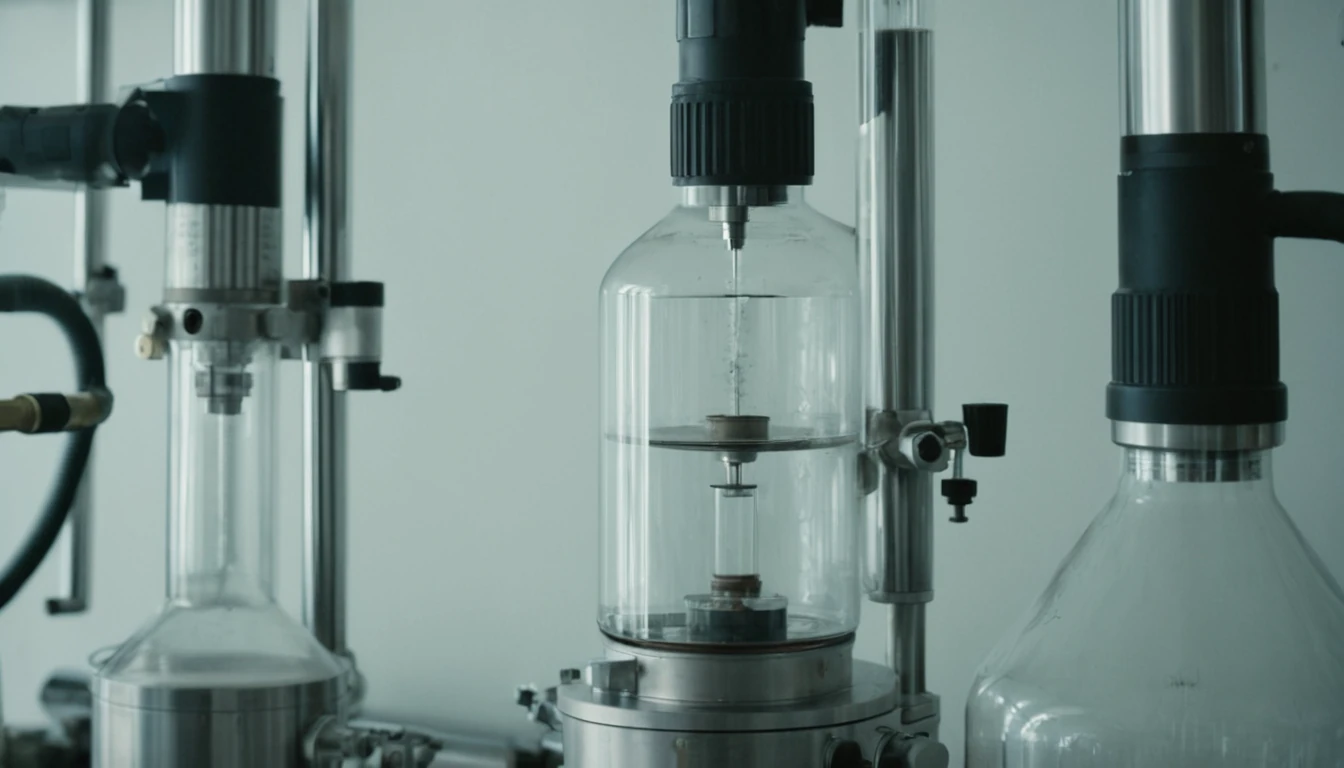
The denaturant is a foreign molecule in your reactor. In esterification and transesterification it can act as a competing nucleophile and shift the impurity profile of the product. In hydrogenation it can poison certain catalysts, particularly copper-based systems, where even low levels of a sulfur-containing or nitrogen-containing denaturant can reduce activity over successive cycles. In extraction processes the denaturant partitions between phases according to its own polarity, so an extract intended for flavour or fragrance use may carry a residue that is difficult to remove by simple distillation. The failure mode is rarely a dramatic reaction; it is a slow drift in yield, colour or odour that is traced back to the solvent only after several batches.
- Check whether the denaturant can react with any component of the reaction mass.
- Confirm that the analytical method used for release can resolve the denaturant from ethanol and from your product.
- Verify that the final product specification has a limit for the denaturant or for its reaction products.
- Assess whether the denaturant can be removed by the separation steps you actually have installed.
- Review tank and line dedication before the first delivery, not after.
Where does ENA 96% sit in the purity spectrum?
Our ENA 96% reaches up to 96.2% in specification, and our denatured and technical ethyl alcohol grades complete the range, with technical alcohol specified up to 95%. Higher-purity grades beyond ENA 96% are outside our scope, and we do not describe or supply a unit we do not operate. The practical consequence for a buyer is straightforward: if the application requires a composition beyond the azeotropic region, the specification should be discussed openly at the enquiry stage rather than assumed from a generic product name.
What changes in storage, handling and packaging?
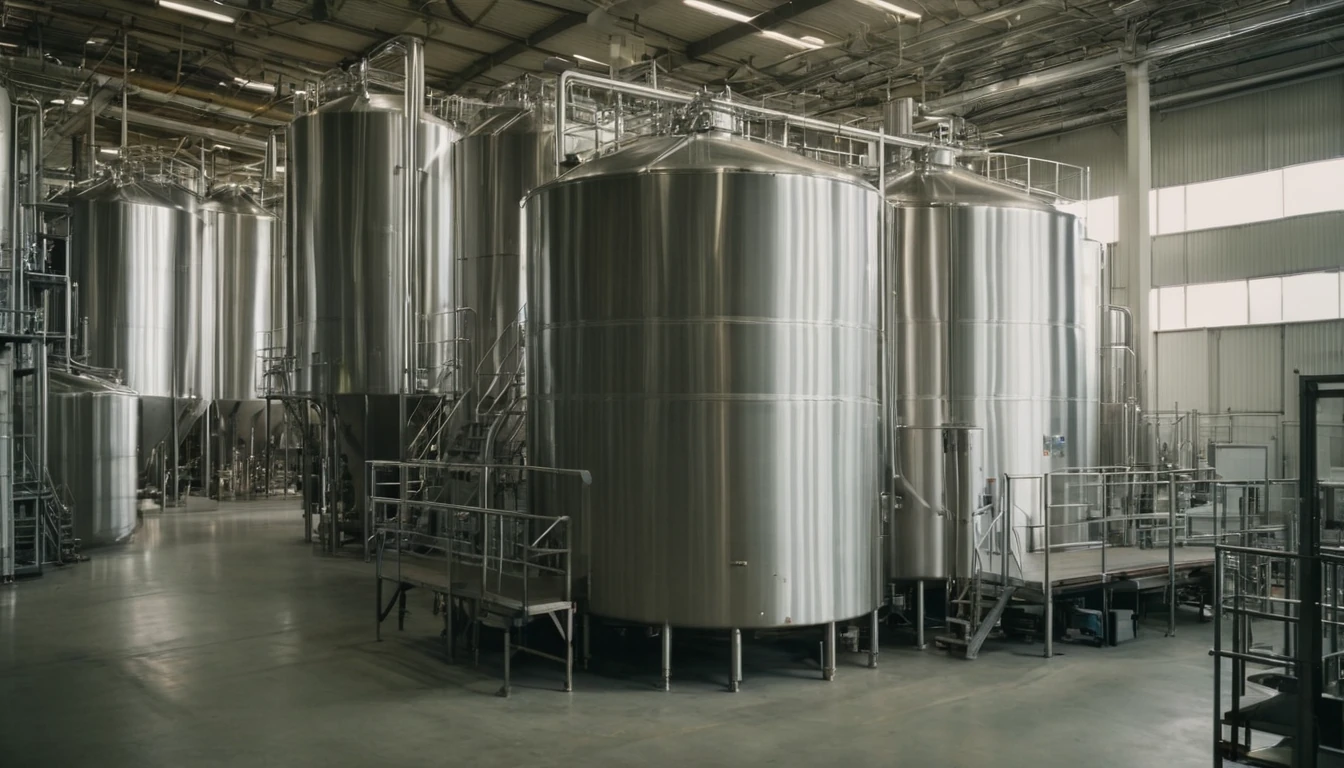
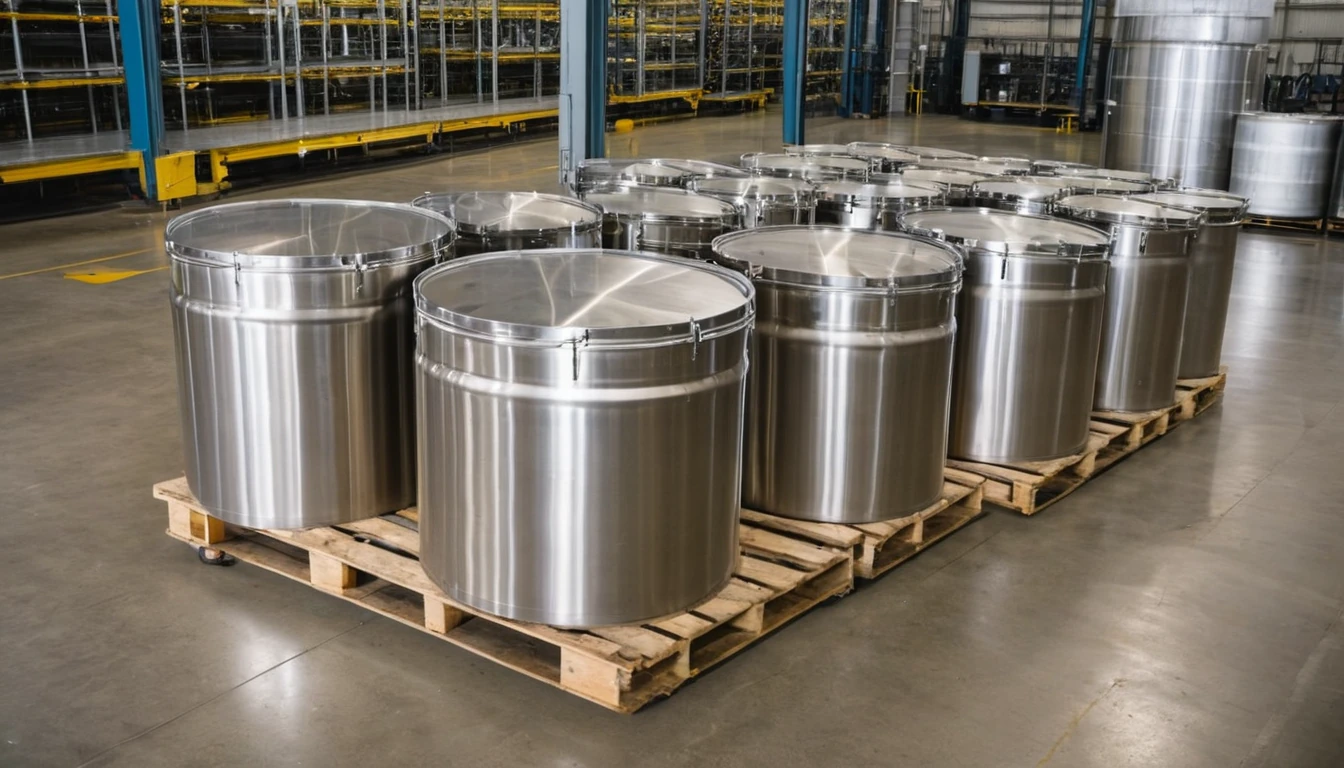
Both streams are hygroscopic. A tank that is vented to humid air will absorb water over time, and the ethanol content will drift downward, which is why stainless steel storage and closed transfers matter. Denatured alcohol additionally requires segregation from neutral streams. Shared pumps, hoses, gaskets and sight glasses can retain denaturant residues, and the resulting cross-contamination is often too small to see but large enough to fail an organoleptic panel. Our packaging options, stainless steel tanks, IBCs and bulk tankers, are selected with this segregation requirement in mind, and the same logic applies to the condensate polishing unit that recovers up to 80% of process water and to the biomass-fired combined heat and power system that supplies steam and electricity on site. Buyers who want to review those process details can consult our production technology and our sustainability approach.
How should a procurement team compare two offers?
Compare the two offers on composition first, then on documentation, then on logistics. A denatured offer should state the denaturant identity and concentration, the ethanol content before denaturation, and the applicable excise framework. An ENA offer should state the ethanol content in specification, the water content, the impurity limits and the food additive specification it is tested against. Ask for the batch certificate format and confirm that the lot number links to the delivery. Confirm the packaging and the tanker history, because the previous cargo is part of the specification for a food-grade stream. Finally, confirm the intended application in writing, since a supplier cannot protect a customer from a mismatch that was never disclosed. The ENA 96% product page sets out our grade in more detail, and specific questions can be routed through our contact page.
Which formulation should you choose? A closing checklist
The chemical differences between denatured ethyl alcohol and ENA are small on paper and decisive in practice. Use the checklist below before releasing a purchase order.
- Confirm the end use and the legal route: food additive, pharmacopoeial, cosmetic or industrial solvent.
- Confirm whether a denaturant is acceptable in the reaction, the extract or the final specification.
- Confirm that the release method can separate and quantify the denaturant.
- Confirm tank, line and filter dedication, and plan a flushing protocol for changeovers.
- Confirm the ethanol specification and the analytical method behind it, including the reference monograph.
- Confirm packaging, previous cargo and delivery documentation for each lot.
- Record the decision and the reasoning, so the next batch is not renegotiated from scratch.
For a quotation or a specification discussion, our team can be reached through the contact page.
References and standards
- Ph. Eur. Ethanol (96 per cent) Monograph, European Pharmacopoeia. Provides the reference composition and impurity framework most often cited for 96% ethanol grades.
- FCC Ethanol Monograph, Food Chemicals Codex. Commonly used as a benchmark for food-grade ethanol identity and purity testing.
- USP Ethanol Monograph, United States Pharmacopeia. Relevant when the intended use is pharmacopoeial and the buyer needs a recognised compendial reference.
- Regulation (EC) No 1333/2008 on food additives. Defines the legal framework in which E 1510 ethanol is used as a food additive in the European Union.
- Commission Regulation (EU) No 231/2012, E 1510 specifications. Supplies the specification parameters against which food-grade ethanol is typically evaluated.
- Regulation (EC) No 1907/2006 (REACH). Applies to registration, classification and safety data sheet obligations for both neutral and denatured ethanol streams.
Need ENA 96% specs or pricing?
Our sales and technical team can share COA, specification sheets and export documentation.
Who prepared this article?
This content was prepared by the Agro Kimya technical team working across production, quality and export operations. Contact our team directly for product specifications, process details and supply conditions.
Editorial policy: Blog articles are prepared by the Agro Kimya technical team; product and process information reflects our plant operations. Certificates and laboratory results are shared only with current documents.