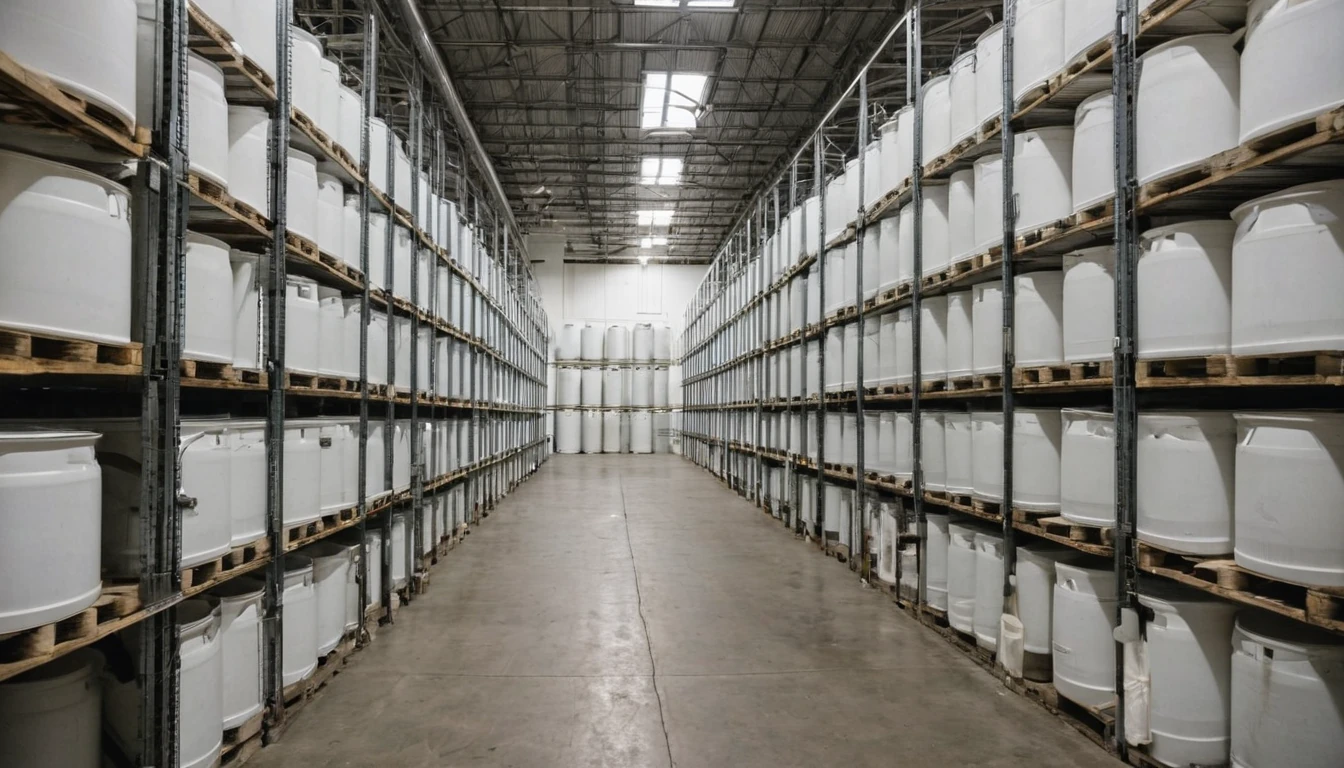
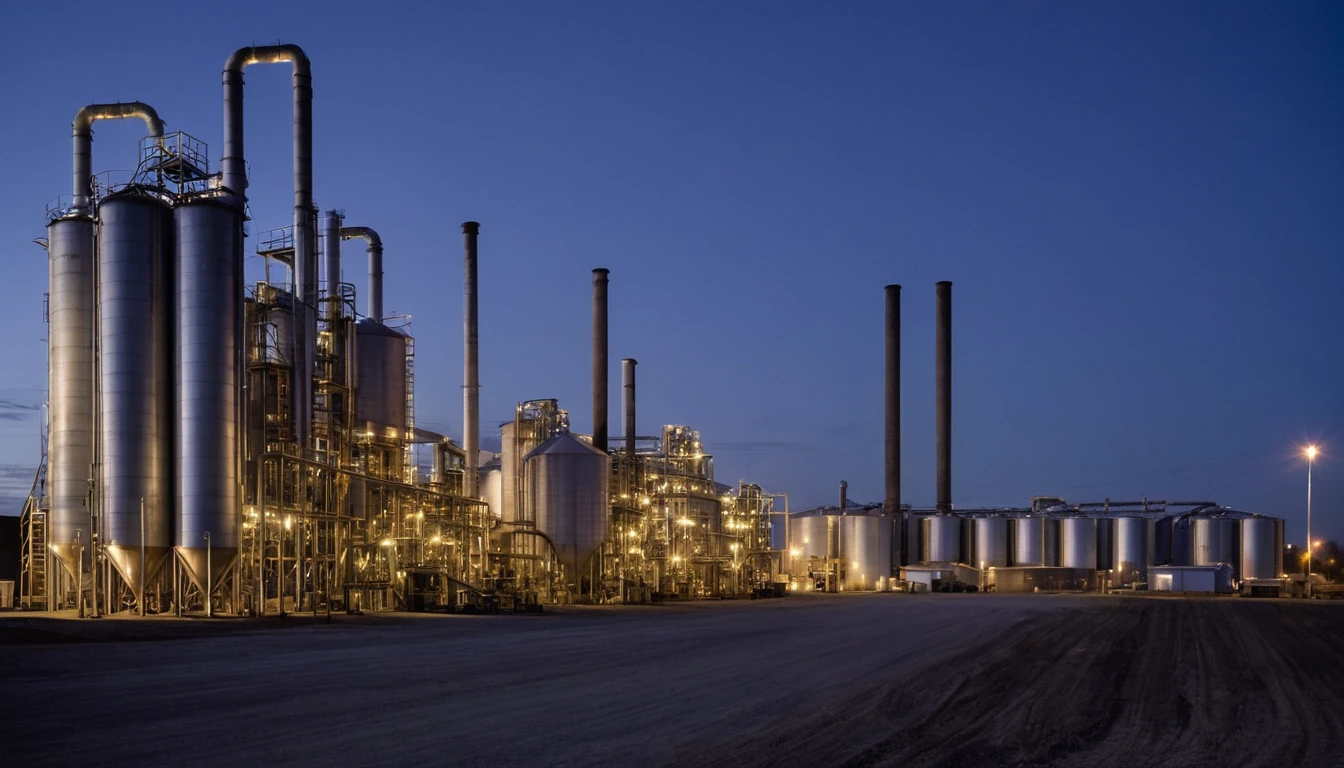
Agricultural Origin Ethyl Alcohol: Benefits of Corn-Based Production
Importance of agricultural origin ethyl alcohol for sustainability and quality. Analyze the supply chain reliability of corn-based production processes.
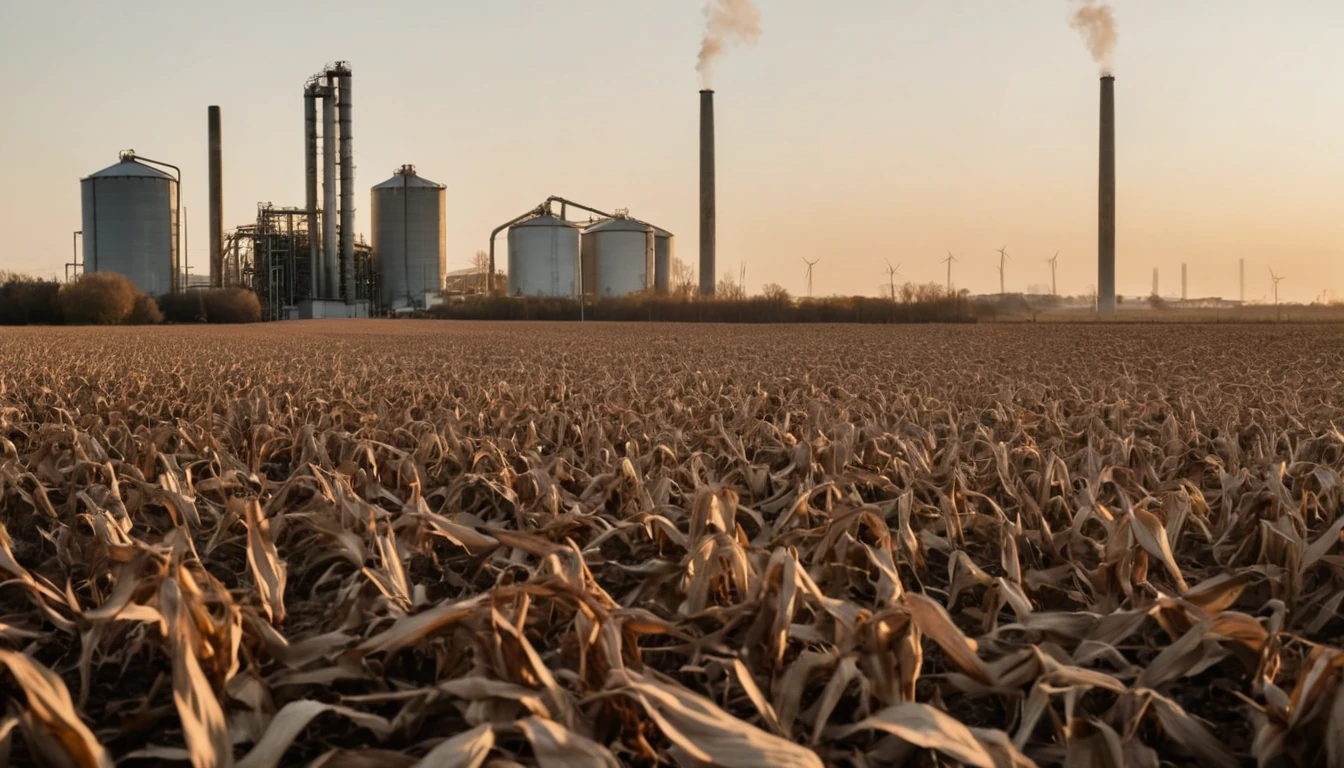
What evidence do you need before you commit an annual volume to an agricultural origin ethyl alcohol supplier? Most procurement decisions in this category fail not on price but on traceability, grade fit and the supplier's ability to hold a specification across crop years. Agricultural origin ethyl alcohol is a fermentation product, so its impurity profile, documentation trail and co-product economics all trace back to the grain and the plant that processed it. This article sets out the mechanisms behind corn-based production, the parameters worth verifying, and the boundary conditions where a 96% grade is the right choice and where it is not. It is written for buyers, production engineers and quality managers who need a defensible sourcing rationale rather than a marketing summary.
Why does the agricultural origin of ethyl alcohol change the specification?
Ethyl alcohol from corn is produced by fermenting starch-derived sugars, and fermentation is a biological step that generates a characteristic set of minor components: higher alcohols, aldehydes, esters and organic acids. These are not contaminants in the accidental sense; they are normal metabolic and process by-products, and their concentration depends on mash composition, yeast performance, fermentation temperature and the design of the distillation train. The feedstock therefore sets the starting impurity spectrum, and the purification train decides what remains. When a buyer evaluates an agricultural origin ethyl alcohol supplier, the real question is whether the supplier controls both ends of that chain, the grain and the columns.
Feedstock also governs the regulatory route. Ethanol used as a food additive is specified as E 1510 in the EU and Turkish frameworks, while industrial and technical applications follow different documentation, including registration and communication duties under REACH. The same molecule can sit in more than one regulatory category, so the declared grade, the intended use and the accompanying documentation must match. A mismatch here is a compliance defect even when the assay result is correct.
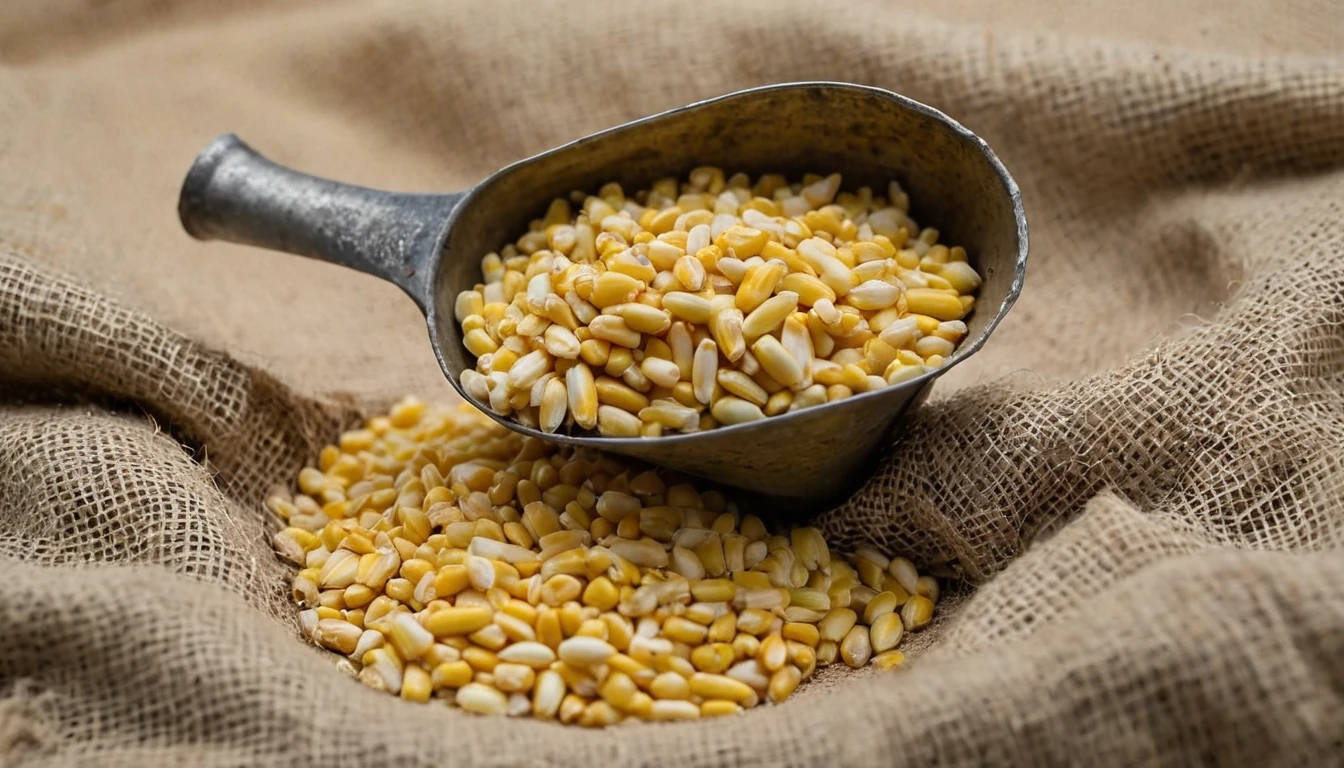
How does a corn dry-mill convert grain into ethyl alcohol?
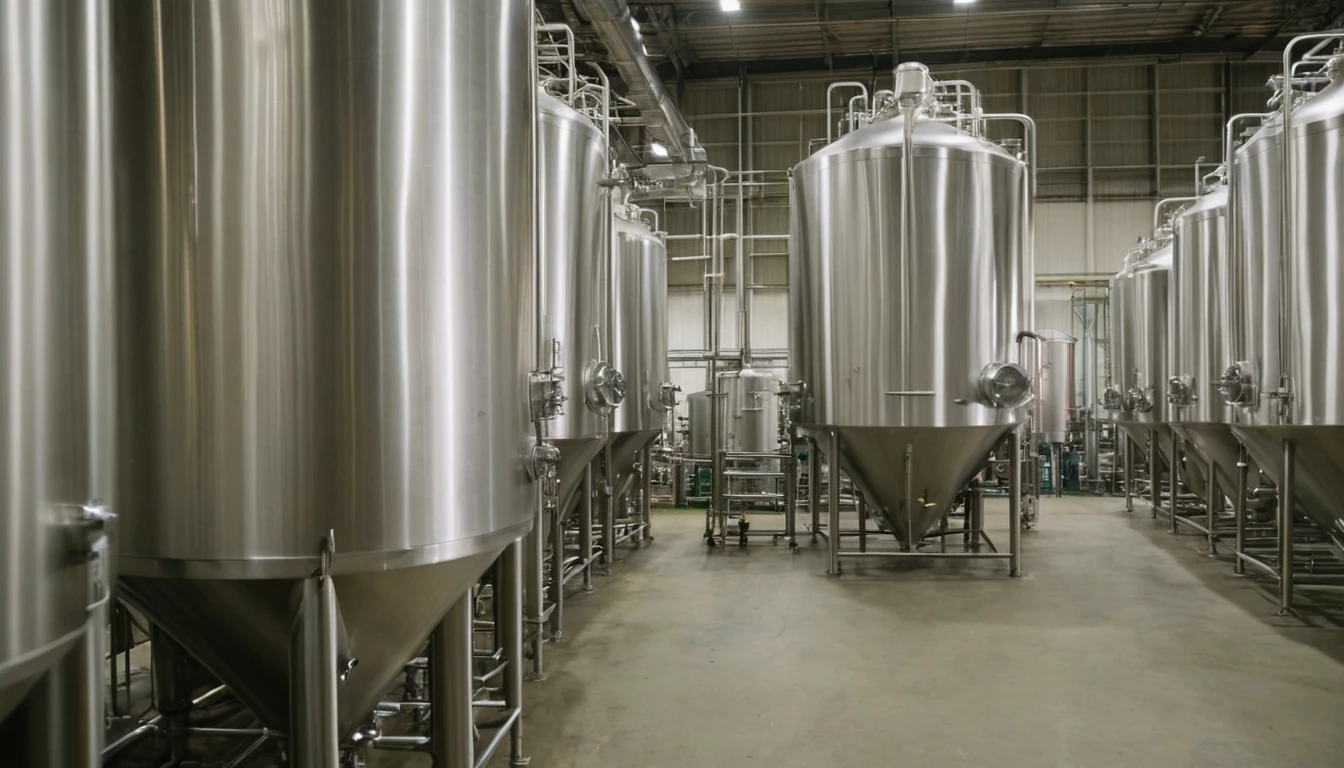
Agro Kimya operates an integrated corn dry-mill plant in the Kozan Organized Industrial Zone in Adana, Türkiye. The sequence is reception, grinding, slurry preparation and enzymatic saccharification, fermentation, eight-column distillation and stainless steel storage. Understanding why each step exists makes it easier to write acceptance criteria that a supplier can actually be audited against. The full process flow is described on our production technology page.
From kernel to fermentable mash: grinding and enzymatic saccharification
Dry milling grinds the whole kernel, so starch, protein, oil and fibre enter the process together. Grinding to a consistent particle size matters because starch granules that remain intact are inaccessible to enzymes, which lowers yield and leaves residual sugars that can distort fermentation. In slurry preparation, water and enzymes are added and the starch is converted in two stages: liquefaction reduces the long chains to shorter dextrins, and saccharification releases fermentable glucose. Temperature and pH control in this window determine whether the enzyme dose is efficient or wasted. If the slurry is under-converted, fermentation slows and the plant compensates with longer residence time, which raises the risk of bacterial contamination and organic acid formation.
Fermentation and the eight-column distillation train
Yeast converts glucose to ethanol and carbon dioxide under controlled temperature. The carbon dioxide stream is not a waste gas in an integrated plant: it is recovered and upgraded, with food-grade liquid CO2 produced up to 99.9% according to specification. After fermentation, the broth passes to an eight-column distillation train. Multiple columns are used because ethanol, water and the minor components have different volatilities, and each column or side draw is positioned to remove a specific fraction. Aldehydes and esters tend to concentrate in the early fractions, methanol is separated in a dedicated cut, and fusel alcohols are drawn from the upper sections. The mechanism fails when the feed rate exceeds the hydraulic capacity of the train, when steam and reflux ratios drift outside their designed window, or when fermentation has produced unusually high organic acid levels that shift the separation balance. In each case the assay may still look acceptable while the trace profile degrades.
Where do the co-products fit in the material balance?
A corn dry mill produces more than alcohol, and the co-product stream is part of the reliability argument. Whole stillage is separated by decantation into a solid fraction and a liquid fraction; the liquid is concentrated by evaporation and the combined streams are dried to produce corn DDGS. Distilled corn oil is recovered separately. These streams matter to a buyer for two reasons. First, they close the mass balance, which strengthens traceability from grain lot to finished alcohol lot. Second, they diversify plant revenue, which reduces the sensitivity of alcohol pricing to single-product market swings. A supplier that cannot explain where the non-alcohol fraction of the kernel goes is a supplier whose mass balance cannot be audited.
What makes a corn-based supply chain plannable?
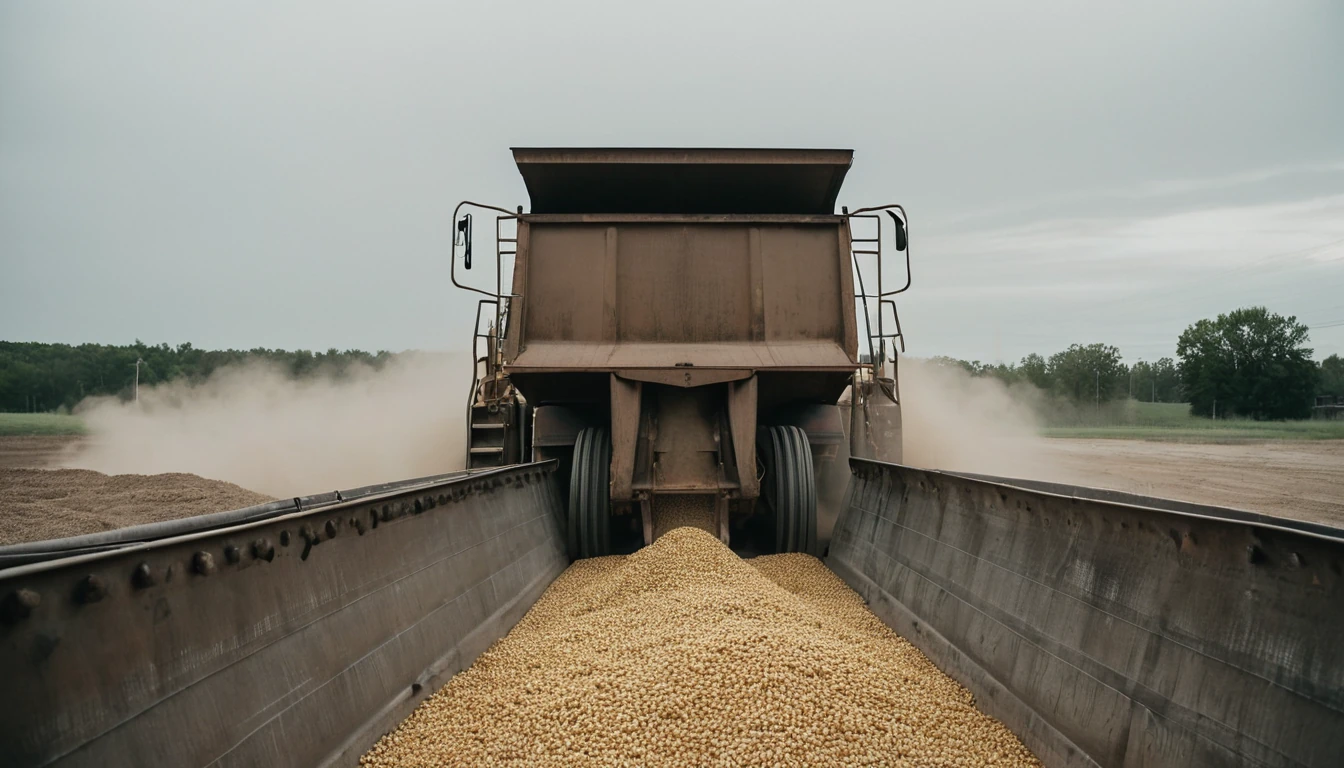
Supply reliability in this category has three components: raw material availability, conversion continuity and logistics. Corn is sourced from Türkiye, and the non-GMO corn stream is verified per lot with documentation. Lot-level verification is the mechanism that connects a delivered drum or tanker back to an identified grain intake, which is what a quality audit actually tests. Integrated single-site production in Kozan reduces internal transfer losses and shortens the interval between fermentation and storage. Packaging into stainless steel tanks, IBCs and bulk tankers covers the usual delivery formats for Türkiye, Europe and the Middle East.
The failure modes are equally concrete. A single integrated site concentrates risk: a utility outage or a planned maintenance shutdown affects all grades at once, so buyers should ask about maintenance windows and buffer stock policy. Domestic corn sourcing reduces exposure to ocean freight and port congestion but introduces crop-year variability in grain quality, which is why reception testing and lot documentation carry the traceability burden. Contracts that specify only the assay and not the impurity profile tend to produce disputes at the margin, when a new crop changes the trace profile slightly.
Which parameters should you verify for agricultural origin ethyl alcohol?
The table below lists the parameters that a procurement or quality team can reasonably require on a certificate of analysis for a 96% agricultural grade, with typical expectations and the reference that supports them. Values are given as typical ranges or per monograph limits; the agreed specification always prevails.
| Parameter | Typical expectation for a 96% agricultural grade | Verification method or reference |
|---|---|---|
| Ethanol content | 96.0 to 96.2% v/v according to specification | Gas chromatography or density assay, aligned with the Ph. Eur. Ethanol (96 per cent) monograph |
| Water content | Balance of the composition, approximately 4% v/v at 96% strength | Karl Fischer titration or monograph method |
| Methanol | Monograph-limited, typically at or below 0.1% v/v | Gas chromatography with flame ionisation detection, per applicable monograph |
| Aldehydes | Low ppm range, per monograph limit expressed as acetaldehyde | Gas chromatography or colorimetric method per FCC Ethanol Monograph |
| Acidity | Low, expressed as acetic acid, within monograph limit | Titrimetric method per monograph |
| Non-volatile residue | Typically not more than 25 ppm, per monograph | Evaporation and gravimetric determination |
| Denaturant | Declared type and concentration, denatured grades only | Gas chromatography against the agreed specification |
Two practical notes on this table. First, an assay result inside the specification does not by itself confirm the trace profile; the impurity rows are what separate a controlled fermentation and distillation process from an uncontrolled one. Second, the reference column names the standard against which a method can be justified, not a certification held by any supplier. Buyers should ask for the method, the limit and the trend across at least three lots, because a single certificate shows a moment while a trend shows control.
How do water and energy performance affect cost and risk?
Distillation is the dominant energy consumer in an alcohol plant, and water is the dominant utility in slurry preparation, cooling and cleaning. Agro Kimya addresses the water side with a condensate polishing unit that recovers up to 80% of process water, and the energy side with a biomass-fired combined heat and power unit that supplies steam and electricity to the site. The mechanism is straightforward: recovered condensate reduces raw water intake and the hydraulic load on treatment, while on-site biomass CHP decouples steam supply from grid electricity and natural gas prices. The risk implication for a buyer is price stability rather than a specific number, since utility cost is a meaningful share of conversion cost. Verification should be based on metered data and mass balance review during an audit; the wider approach is outlined on our sustainability approach page.
Which grades are inside our scope, and which are not?
Agro Kimya produces ENA 96%, denatured ethyl alcohol with a minimum of 96%, and technical ethyl alcohol up to 95%. Food-grade liquid CO2, corn DDGS and distilled corn oil complete the product range. Higher-purity grades beyond ENA 96% are outside our scope, and buyers whose application requires them should qualify a different supply route rather than assume that a 96% grade can be substituted. This is a specification boundary, not a quality ranking: a 96% grade with a well-controlled impurity profile is the correct material for many food, pharmaceutical excipient and industrial uses, while some applications are defined around a different strength and should be sourced accordingly. Product details are available on the ENA 96% product page.
How should you structure a supplier qualification checklist?
A qualification visit should produce evidence, not impressions. The following sequence works for a 96% agricultural grade and can be completed in a single site day if documents are requested in advance.
- Confirm the grade and intended use in writing, including whether the material is undensified ENA 96%, denatured, or technical grade, and confirm that any higher-purity requirement is outside the supplier's scope before proceeding.
- Request the process flow from grain reception to storage, and check that each unit operation named in the flow has a corresponding control point and record.
- Review lot-level raw material documentation, including the non-GMO verification record, against a finished-goods lot number to test traceability end to end.
- Review certificates of analysis for at least three consecutive lots, and plot the impurity parameters rather than reading only the pass or fail column.
- Ask for the method and limit behind each impurity parameter, and confirm that the laboratory can reproduce the reference method or a validated equivalent.
- Examine utility records for water recovery and steam and electricity supply, then reconcile them against production volumes to test whether the reported figures are metered.
- Confirm packaging formats, tank and tanker material, cleaning records and dispatch documentation for each destination market.
- Agree the specification, the sampling plan and the dispute procedure in the contract, including how a new crop year triggers a specification review.
What is the decision rule for sourcing agricultural origin ethyl alcohol?
Treat agricultural origin ethyl alcohol as a specification-plus-traceability purchase, not a commodity assay. If your application sits within the 96% range and your quality system can verify the impurity profile, the lot documentation and the mass balance, an integrated corn dry mill with domestic sourcing, water recovery and on-site CHP is a defensible choice. If your application requires a higher purity grade, accept that this is a different supply chain and qualify it separately. The practical next step is to send your specification and volume profile through the contact page and request the documentation package that matches your intended use, so that the technical and commercial review start from the same basis.
References and standards
- Ph. Eur. Ethanol (96 per cent) Monograph, European Pharmacopoeia: the primary assay and impurity reference for a 96% strength grade, and the basis for several method choices in the table above.
- FCC Ethanol Monograph, Food Chemicals Codex: a parallel food-grade reference useful when a buyer's market expects FCC-style impurity limits and methods.
- Commission Regulation (EU) No 231/2012, E 1510 specifications: defines the EU specification for ethanol as a food additive, which is the reference against which a food-grade declaration is written.
- Regulation (EC) No 1333/2008 on food additives: establishes the legal framework for use of E 1510 in food, and therefore the conditions a buyer must check before approving a grade for that use.
- Türk Gıda Kodeksi Gıda Katkı Maddeleri Yönetmeliği, E 1510 etanol: the Turkish alignment for ethanol as a food additive, relevant for domestic market approvals.
- Regulation (EC) No 1907/2006 (REACH): sets registration and communication duties for the substance, which apply independently of the food additive route and should be confirmed for industrial and technical applications.
Need ENA 96% specs or pricing?
Our sales and technical team can share COA, specification sheets and export documentation.
Who prepared this article?
This content was prepared by the Agro Kimya technical team working across production, quality and export operations. Contact our team directly for product specifications, process details and supply conditions.
Editorial policy: Blog articles are prepared by the Agro Kimya technical team; product and process information reflects our plant operations. Certificates and laboratory results are shared only with current documents.